


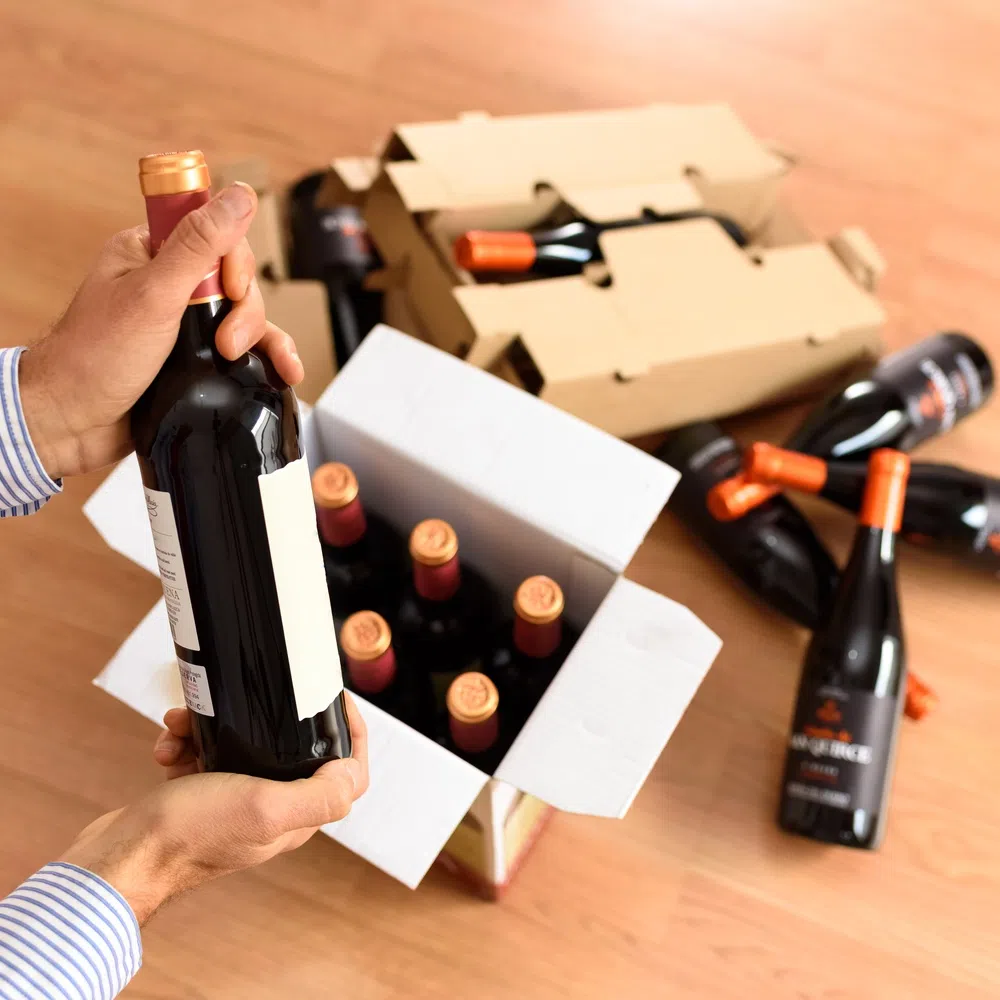
Transporting wine over long distances can harm its quality if not managed properly. Many wine owners overlook how vulnerable bottles are to temperature changes, vibration, and storage conditions.
To prevent bitter flavors, avoid these common mistakes during long-distance transport and safeguard each bottle.
Ignoring Temperature Sensitivity
Wine reacts strongly to heat and cold. Exposure to extreme temperatures, even briefly, can alter its flavor profile or cause corks to expand and contract, potentially leading to leakage or spoilage.
Transporters must maintain a carefully controlled environment, avoiding conditions that fluctuate. It is essential to avoid leaving wine in vehicles parked in direct sunlight or near heating vents, as this can rapidly compromise its quality.
Improper Packaging
Using standard boxes without protective inserts increases the risk of bottle breakage during shipping and handling. Specialized wine shipping containers, foam inserts, and dividers help reduce internal movement and absorb shocks, providing better protection.
Securing bottles and individually wrapping each one in bubble wrap or similar cushioning materials provides an extra layer of security, especially for high-value vintages, helping prevent damage.
Overpacking and Poor Arrangement
Stacking boxes improperly applies excessive pressure to the lower layers, increasing the risk of bottle breakage. Distribute weight evenly across packages and avoid placing heavy items on top of wine bottles.
Clear, visible labels on all boxes inform handlers to handle the contents with extra care, helping to prevent accidental mishandling and damage.
Failing to Monitor Orientation
Wine bottles should remain upright to keep corks moist and prevent leakage. Transporting bottles on their sides for extended periods increases the risk of oxidation and spoilage. Portable wine racks or specially designed cases maintain the correct position and minimize movement during transit.
Temperature Fluctuations
Rapid fluctuations in temperature induce internal pressure changes within wine bottles, which can influence both flavor and long-term storage stability. When planning transport, it’s essential to consider whether wine can safely withstand cycling between cold and warm temperatures without compromising quality or integrity.
Ignoring Transit Duration
Long transit periods increase exposure to vibration, temperature changes, and movement. Coordinating shipments to reduce travel time and selecting carriers familiar with wine handling reduces risks. Scheduling deliveries to avoid weekends or holidays prevents bottles from sitting in uncontrolled environments.
Overlooking Documentation and Insurance
Accurate labeling, customs documentation for international shipping, and insurance protect wine investments. Shipping without proper paperwork can delay delivery, and without insurance, owners are liable for losses. Keeping a detailed inventory and photographing bottles before transport provides additional safeguards.
Maintaining Quality During Delivery
Careful planning of all elements, including temperature control, orientation, cushioning, and timing, ensures the wine arrives in optimal condition. Avoiding these common mistakes when transporting wine over long distances and using a handy checklist allows owners to monitor every critical factor and address potential issues proactively. Implementing these measures maintains flavor, integrity, and value for every bottle shipped.
Image Credentials: Photographer: Road Red Runner File #: 594364000

Comments