


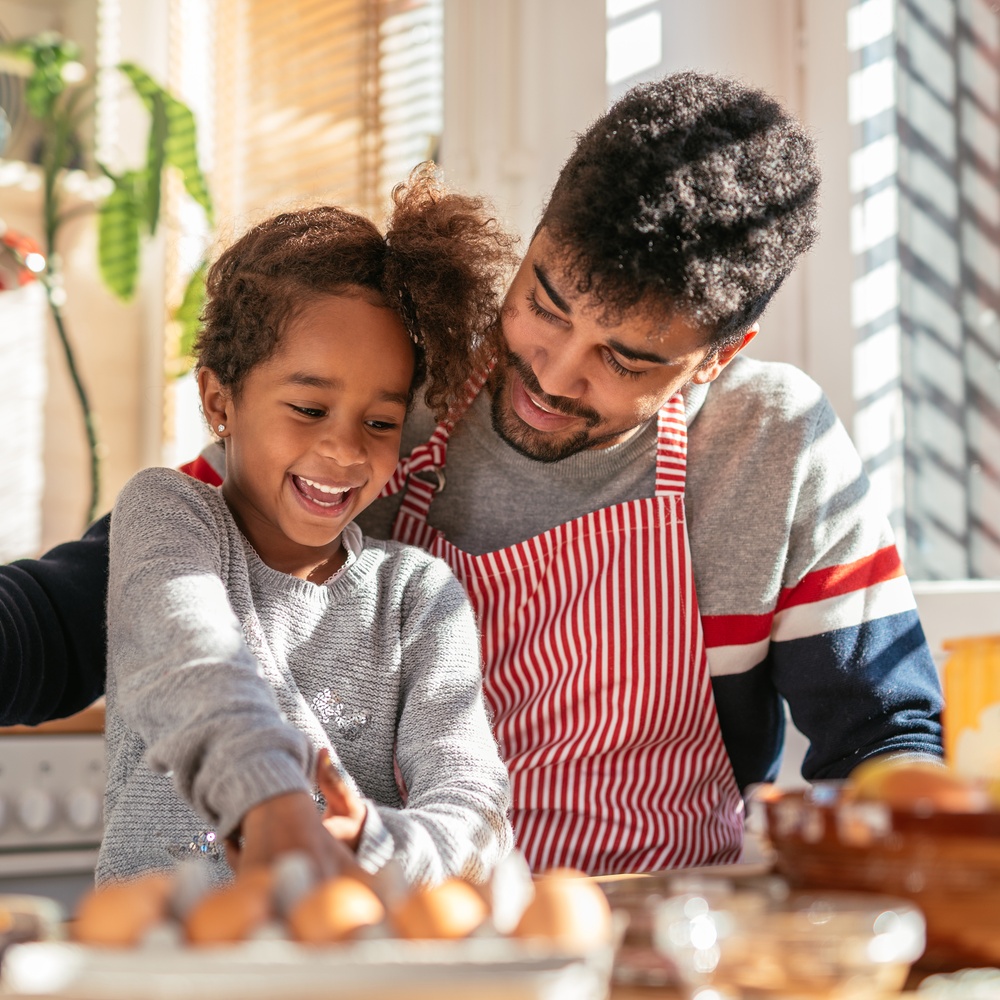
Getting your kids interested in cooking can help them develop valuable life skills while encouraging healthier eating habits. However, convincing children to spend time in the kitchen isn’t always easy, especially when they would rather play games or watch television. Fortunately, cooking doesn’t have to feel like another household chore.
With the right approach, you can turn meal preparation into an activity your children genuinely enjoy. Whether your kids are toddlers or teenagers, there are plenty of ways to encourage their curiosity about food. Here are some practical strategies to help your children become more comfortable and enthusiastic about cooking.
Start With Simple Recipes
One of the easiest ways to introduce children to cooking involves choosing recipes that match their abilities. Complicated meals can overwhelm beginners, especially when they require unfamiliar techniques or lengthy preparation times.
Start with simple dishes that offer quick results. Homemade pizzas, sandwiches, and fruit salads make excellent starting points because children can participate without mastering advanced cooking skills.
As your kids become more comfortable, gradually introduce recipes that require additional preparation. This approach helps them build confidence while learning new techniques.
Remember that younger children may need more guidance than older kids. Adjust your expectations according to their age and experience.
Let Your Kids Choose the Menu
Children often show greater enthusiasm for activities when they have some control over the outcome. Giving your kids opportunities to choose meals can encourage them to participate in cooking.
Ask your children what they would like to prepare for dinner or lunch. You might offer several reasonable options to prevent unrealistic requests.
For example, let them choose between homemade tacos and pasta for a weekend meal. Once they make their selection, involve them in gathering ingredients and planning the preparation process.
This simple decision gives children a sense of ownership over their meals and encourages them to take cooking more seriously.
Create a Kid-Friendly Kitchen Environment
Your kitchen setup can significantly influence how comfortable your children feel while cooking. If they struggle to reach ingredients or work comfortably, they may quickly lose interest.
Start by creating an accessible workspace with a sturdy and safe countertop where children can complete age-appropriate tasks under supervision. Use a stable step stool when necessary, and keep dangerous equipment outside their reach.
Consider organizing frequently used cooking supplies in accessible drawers or cabinets. Children should know where to find mixing bowls, measuring cups, and other appropriate utensils.
A comfortable workspace helps kids concentrate on learning rather than struggling with their surroundings.
Turn Cooking Into an Educational Activity
Cooking provides numerous opportunities to teach children practical skills without making the experience feel like schoolwork.
Measuring ingredients introduces basic mathematical concepts, while following recipes strengthens reading comprehension. Children can also explore scientific principles by observing how ingredients change during cooking.
For example, explain why bread rises or how heat changes the texture of eggs. Keep explanations simple and encourage questions.
You can also discuss nutrition and how different ingredients support healthy eating habits.
Connecting cooking with everyday learning helps children understand why kitchen skills matter beyond preparing their favorite meals.
Give Children Age-Appropriate Responsibilities
Children gain confidence when adults trust them with meaningful responsibilities. Instead of asking your kids to watch while you cook, assign tasks that match their abilities.
Consider these activities for different experience levels:
- Younger children: Washing vegetables, stirring cold ingredients, or arranging toppings.
- Elementary-age children: Measuring ingredients, mixing batter, or assembling simple meals.
- Older children: Following recipes, preparing ingredients with appropriate tools, or cooking under supervision.
Always consider your child’s individual abilities rather than relying entirely on age.
Supervise activities involving sharp utensils or hot surfaces, and demonstrate safe techniques before allowing children to participate.
Make Cooking Feel Like Play
Younger children often respond positively when cooking includes creativity and playful activities. Turning ordinary meal preparation into an enjoyable experience can help maintain their attention.
Try letting children create funny faces on homemade pizzas using vegetable toppings. They might also enjoy decorating cookies or arranging colorful fruit into interesting shapes.
Another option involves organizing a friendly family cooking challenge. Give everyone similar ingredients and encourage them to create their own dishes.
Avoid making these activities overly competitive. The goal involves encouraging participation rather than determining who prepares the best meal.
Introduce New Foods Through Cooking
Many children hesitate to try unfamiliar foods, particularly vegetables or ingredients with unusual textures. Cooking together offers a practical way to reduce that hesitation.
Invite your children to explore new ingredients before preparing meals. Let them examine different vegetables and discuss their flavors.
When children help prepare unfamiliar foods, they may feel more comfortable tasting them.
For example, making homemade vegetable soup allows kids to choose ingredients and observe how cooking changes their appearance.
Avoid pressuring children to eat everything they prepare. Instead, encourage curiosity and celebrate their willingness to experiment.
Take Your Kids Grocery Shopping
Cooking doesn’t begin when someone turns on the stove. Grocery shopping provides another opportunity to develop children’s interest in food preparation.
Bring your kids along when purchasing ingredients for meals they helped select. Encourage them to locate items on your shopping list and compare different options.
You can also introduce seasonal produce and explain how ingredient availability changes throughout the year.
Older children might enjoy comparing prices or calculating quantities for recipes.
These experiences help children understand where ingredients come from while reinforcing the connection between meal planning and cooking.
Teach Kitchen Safety Early
Children should understand basic kitchen safety before taking on more complicated cooking responsibilities.
Explain why they must wash their hands before handling food and after touching raw meat. Demonstrate proper utensil handling and establish clear rules around hot appliances.
You should also teach children how to recognize potential hazards, including spills and unstable equipment.
Rather than overwhelming kids with warnings, introduce safety lessons naturally during cooking activities.
Consistent supervision remains essential, especially when children begin learning unfamiliar techniques. Developing safe habits early allows them to approach cooking with greater confidence.
Encourage Creativity With Recipes
Following recipes teaches important fundamentals, but children also benefit from opportunities to experiment. Once your kids understand basic preparation techniques, encourage them to personalize familiar dishes.
They might create their own sandwich combinations or experiment with different seasonings for roasted vegetables.
Discuss how ingredient substitutions can change flavors and textures. Encourage children to predict what might happen before trying something new.
Not every experiment will produce delicious results, and that’s perfectly fine.
Allowing children to make reasonable decisions helps them develop problem-solving skills while discovering their personal food preferences.
Avoid Expecting Perfect Results
Children rarely prepare meals with the same efficiency or precision as experienced adults. Expecting flawless results can make cooking stressful and discourage future participation.
Accept that younger cooks may spill ingredients or measure something incorrectly. Instead of criticizing mistakes, explain how they can improve their techniques next time.
Focus on their effort and willingness to participate rather than the appearance of the finished meal.
You should also allow extra preparation time when cooking together. Rushing children can turn an enjoyable activity into an unnecessary source of frustration.
Patience helps create positive associations with cooking.
Establish Regular Family Cooking Traditions
Consistency can transform occasional kitchen activities into lasting interests. Consider scheduling regular opportunities for your children to help prepare meals.
For example, designate Friday evenings for homemade pizza or Sunday mornings for family breakfasts. Allow different family members to select recipes and participate in preparation. As children become more experienced, gradually increase their responsibilities.
These traditions provide opportunities to practice cooking skills while spending meaningful time together.
Over time, your children may begin suggesting recipes or volunteering to prepare meals independently.
Celebrate Their Cooking Accomplishments
Recognizing your children’s progress can motivate them to continue developing their kitchen skills.
Compliment specific accomplishments, such as carefully measuring ingredients or successfully following recipe instructions.
You might also encourage children to serve their creations during family meals. Sharing food with others gives young cooks an opportunity to feel proud of their efforts. Consider keeping a collection of favorite recipes that your children have mastered.
Ultimately, helping kids enjoy cooking requires patience and encouragement. By making kitchen activities accessible and enjoyable, you can help your children develop practical skills that benefit them throughout their lives.
Image Credentials: By bernardbodo, File 139104883

Comments